
- Home /
- Electrical and Electronics /
- EMI/EMC, EMF
EMI/EMC, EMF Testing Lab in Delhi
- NABL Accredited
- ISO/IEC 17025
- BIS Certification Support
- 50+ Years’ Experience
EMI/EMC, EMF Testing Lab in Delhi | NABL Accredited EMI/EMC, EMF Testing
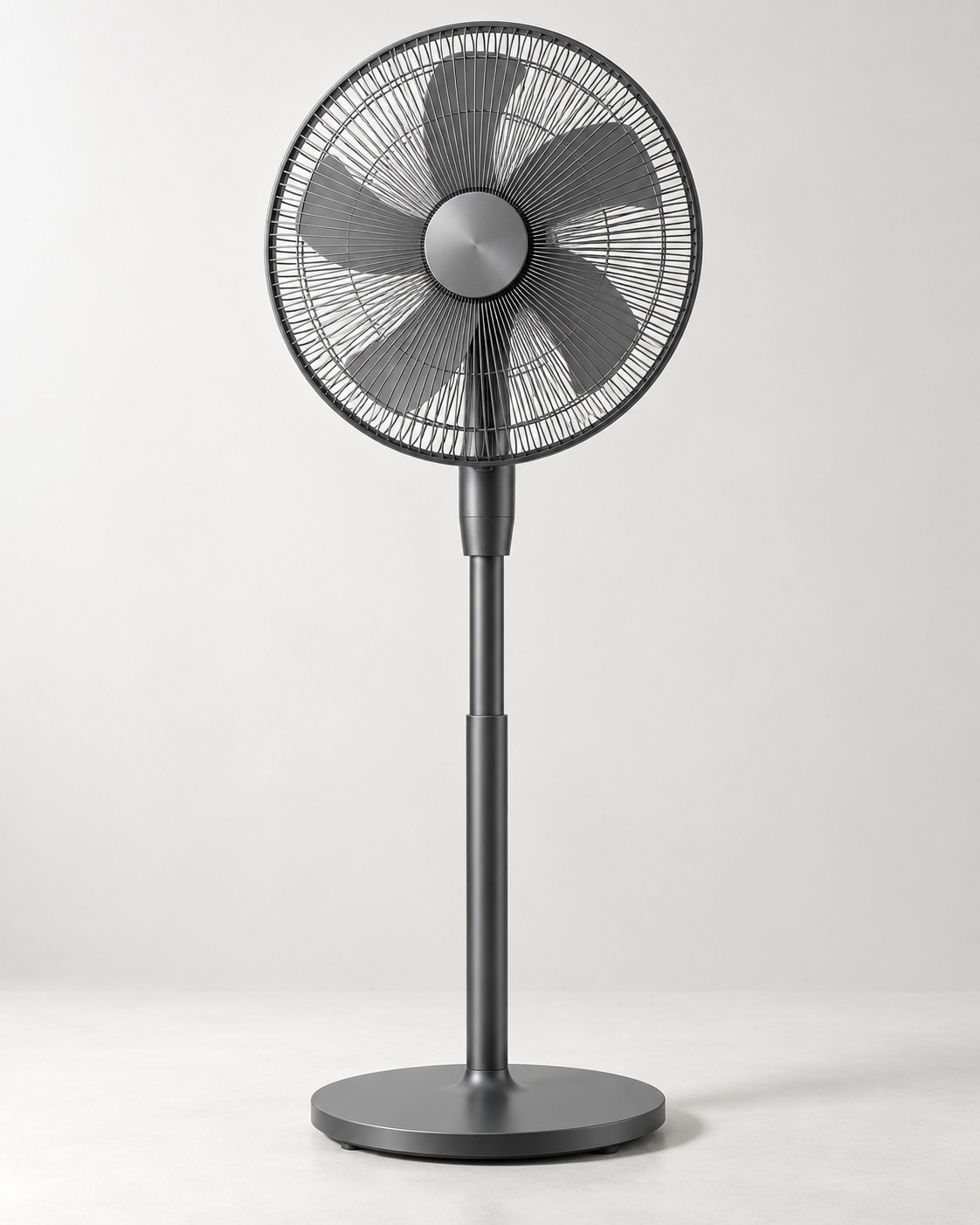
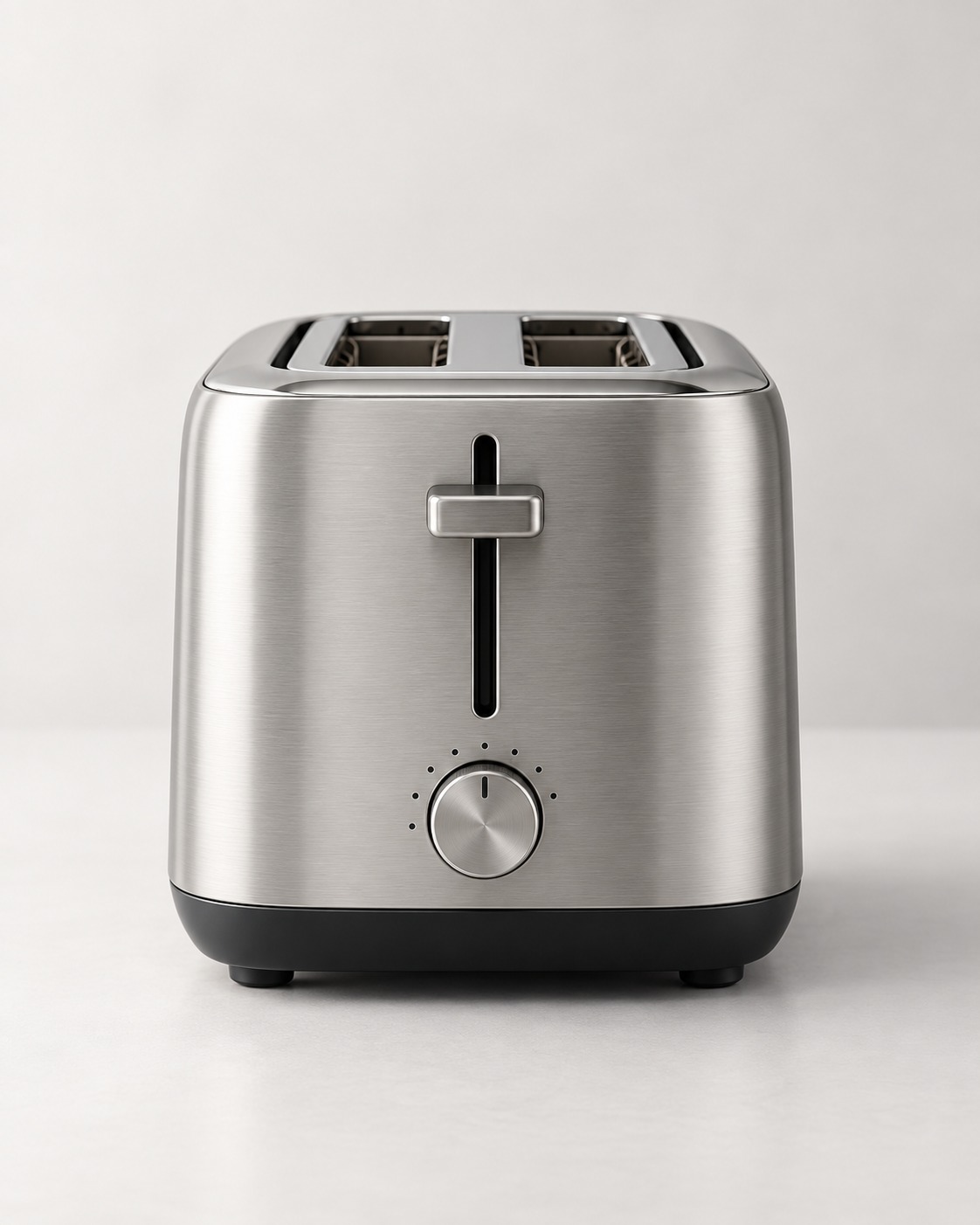
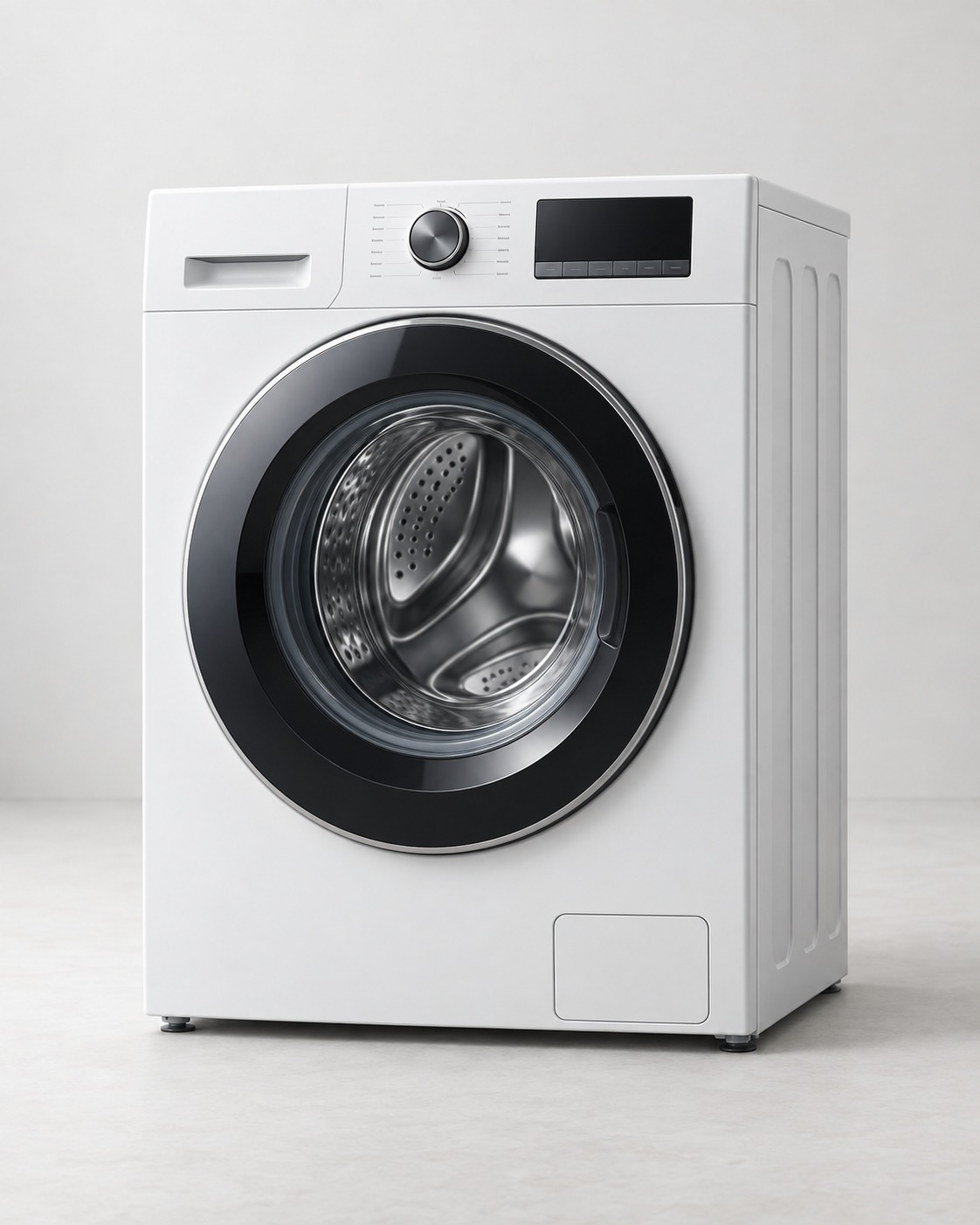
Electrical, Electronics, IT/AV, Telecom Equipment We Test
EMI/EMC, EMF Testing We Offer
- Conducted Emissions
- Radiated Emissions
- Conducted RF Disturbances
- Radiated RF Disturbances
- Harmonic Current Emissions
- Voltage Fluctuations and Flicker
- Electrostatic Discharge
- Radiated RF Immunity
- Conducted RF Immunity
- Electrical Fast Transient/Burst
- Surge
- Voltage Dips and Interruptions
- Other applicable EMC tests
- Electric Field Measurements
- Magnetic Field Measurements
- RF Electromagnetic Field Measurements
- Electromagnetic Exposure Assessment
- RF Exposure Evaluation
- Field Strength Measurements
- Product-specific EMF Measurements
- Applicable human exposure assessment
The applicable test method depends on the operating frequency, transmission characteristics, product configuration, intended use and relevant requirement.
- RF Output Power
- Operating Frequency
- Occupied Bandwidth
- Frequency Stability
- Spurious Emissions
- Unwanted Emissions
- Transmitter Parameters
- Receiver Parameters
- Wi-Fi,
- Zigbee
- LoRa
- Bluetooth
- Cellular Technologies
- Other applicable wireless technologies
- Electrical Fast Transient/Burst
- Surge
- Voltage Dips
- Short Interruptions
- Voltage Variations
- DC Input Voltage Dips and Interruptions
- Other applicable transient and immunity tests
- IEC 61000-4-4 – Electrical Fast Transient/Burst
- IEC 61000-4-5 – Surge
- IEC 61000-4-11 – Voltage Dips, Short Interruptions and Voltage Variations for AC
- IEC 61000-4-29 – Voltage Dips, Short Interruptions and Voltage Variations on DC Input Power Port









Applicable EMI/EMC, EMF Standards & Requirements
- IEC 61000 Series
- Applicable IS/IEC Standards
- Product-specific EMC Standards
- Applicable EMF/RF Requirements
- Applicable BIS Requirements
- TEC Requirements, where applicable
- MTCTE Requirements, where applicable
- Relevant national standards
- Relevant international standards
- Customer-specific technical requirements
Our EMI/EMC, EMF Testing Process
Frequently Asked Questions
EMI/EMC testing evaluates the electromagnetic disturbances generated by a product and its ability to continue operating as intended when exposed to defined electromagnetic disturbances.
EMF testing evaluates electromagnetic field levels associated with electrical, electronic, wireless and communication equipment against applicable requirements.
EMI relates to unwanted electromagnetic interference or disturbances. EMC concerns the ability of equipment to operate satisfactorily within its electromagnetic environment. EMF testing focuses on measuring electromagnetic fields generated by equipment and evaluating them against applicable requirements.
EMI/EMC testing can apply to a wide range of electrical and electronic products, including IT equipment, telecom products, wireless devices, industrial electronics, household appliances, power equipment and consumer electronics, depending on the applicable requirement.
No. EMF testing depends on the product technology, operating frequency, transmission characteristics, intended use and applicable regulatory or product-specific requirements.
The applicable standard depends on the product. Requirements may be based on relevant IEC 61000 series standards, CISPR standards, IS/IEC standards and product-specific EMC requirements.
Yes. Where applicable, wireless products may require both EMC evaluation and electromagnetic field/RF exposure assessment.
Sample requirements vary depending on the product, configuration, test programme and applicable standard. The exact requirement can be confirmed after reviewing the product details.
Planning to evaluate your electrical, electronic, telecom, wireless or industrial product for EMI/EMC and EMF requirements?
Share your product details with Delhi Test House. Our technical team can review the product, identify the applicable requirements and help establish a suitable testing programme.